Your Cart is Empty

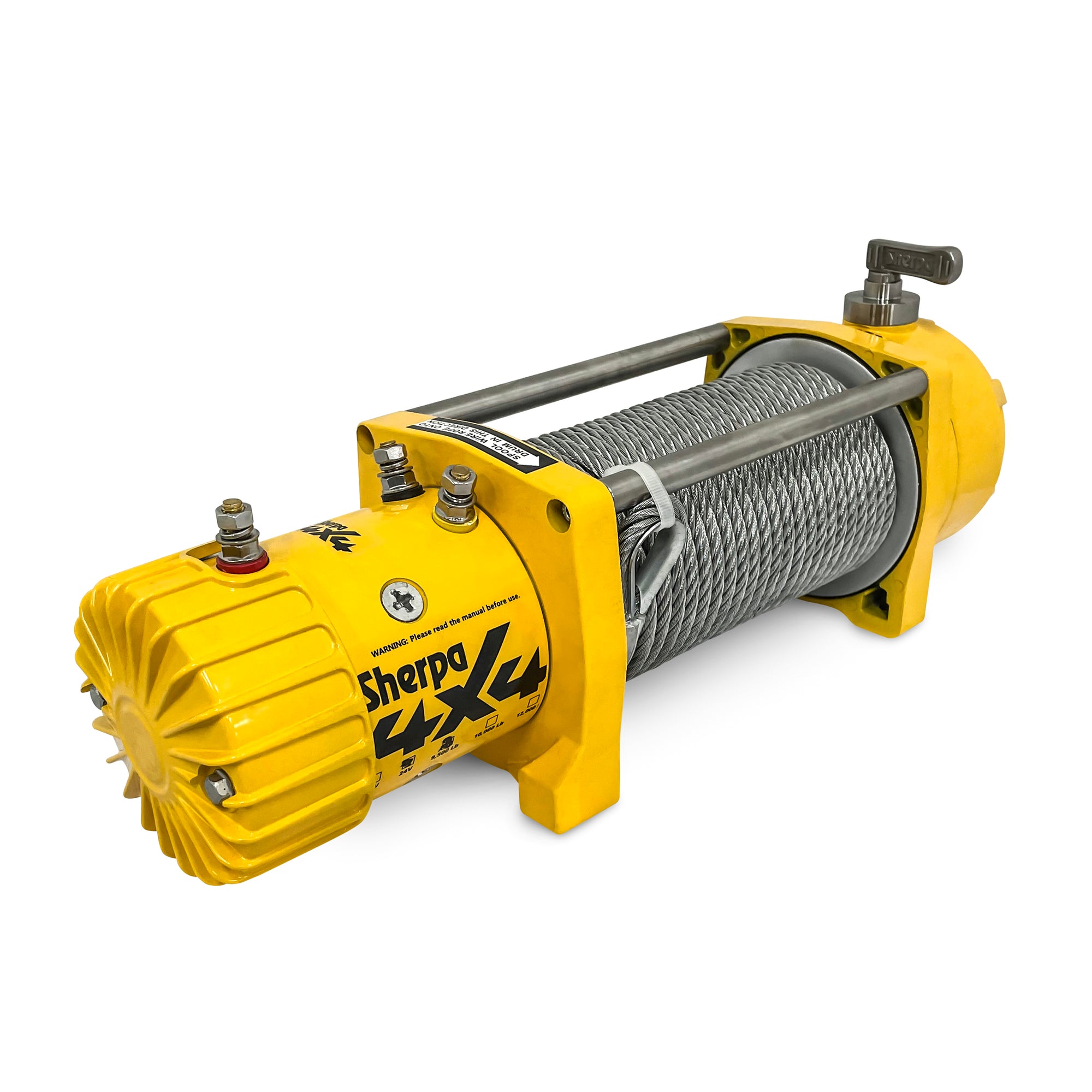
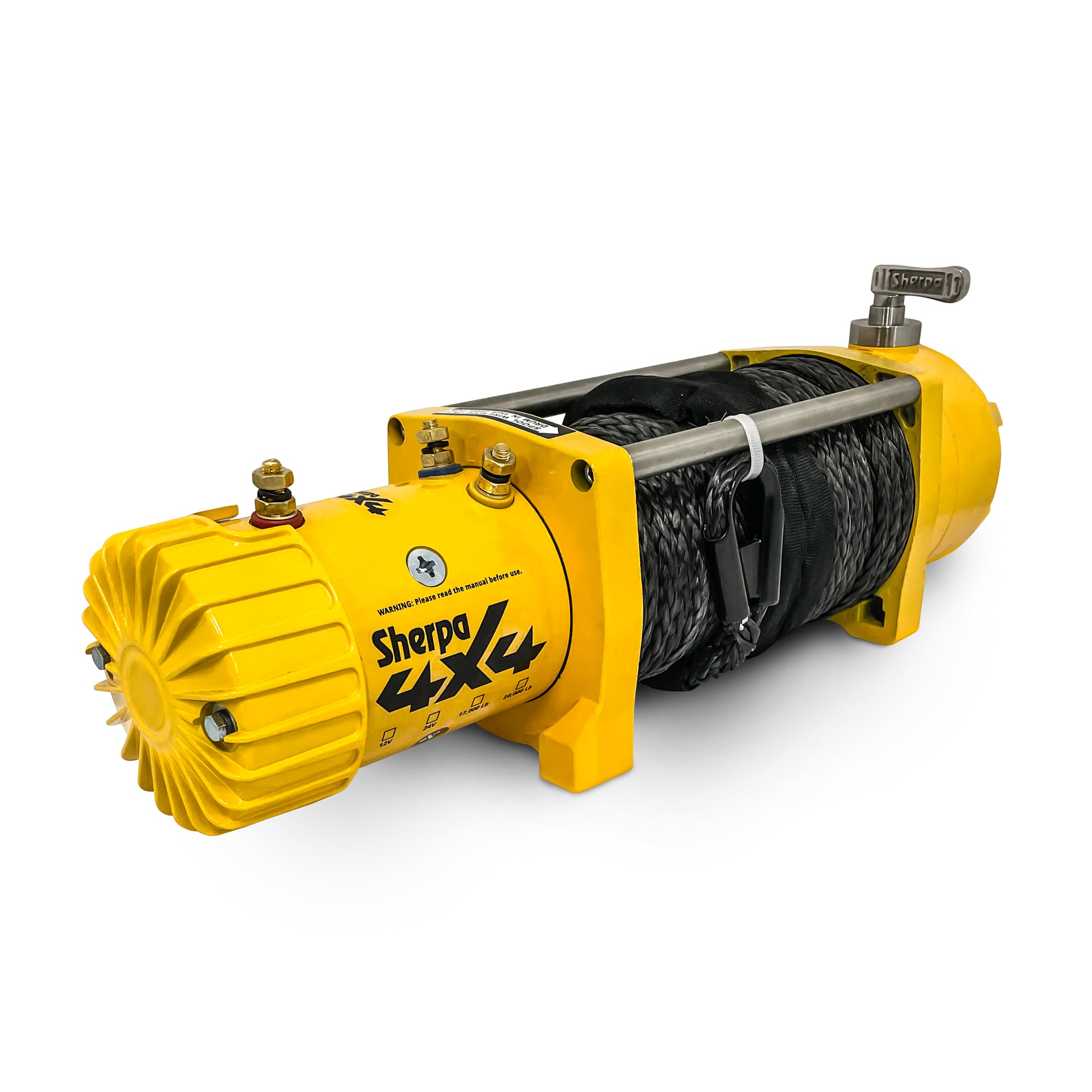
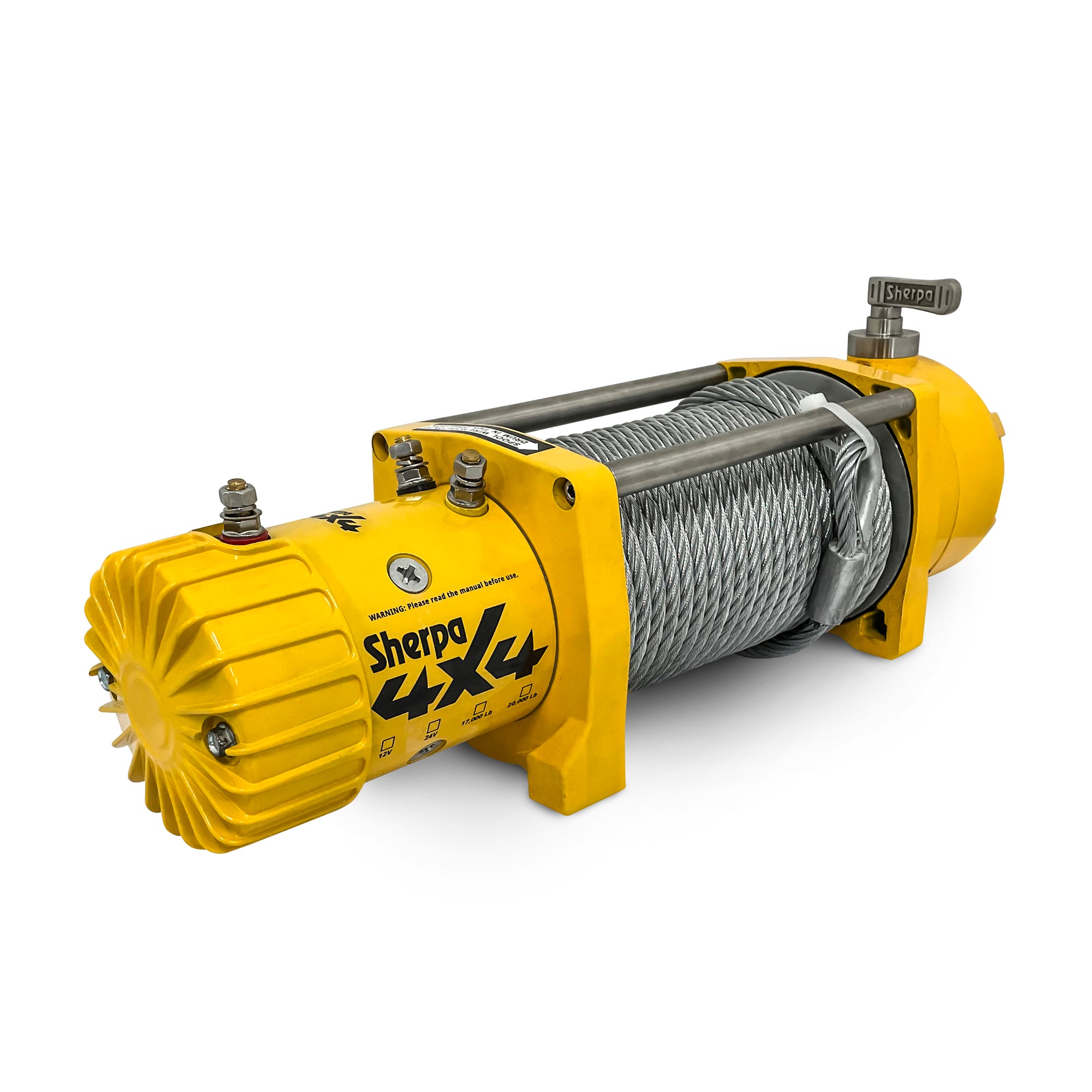
Specifically designed for the intensely tough conditions of the outback in Australian - Sherpa 4wd & off-road recovery winches are the most durable winch available in Canada. The winches are available in a 12V & 24V option and come standard with stainless steel fittings, CNC cut billet steel gearbox gears and the power of a 3 stage planetary gearbox delivering a high powered unit that’s made to last. When reliability is key you need a tried and tested winch. That winch is a Sherpa Winch. Now with Free Shipping in Canada.
View Sherpa's Latest Product Promotion Video
Sherpa Designed & Tested
Built from the ground up...each model begins with extensive 3D modelling and design. See our article on Sherpa 4x4 winch development.

Sherpa 4x4 produce custom truck, pickup and 4x4 winches with various configurations to suit individual requirements. The winch range is segmented by recovery pulling power and ranges from the 9,500LB “Mustang” for lighter vehicles up to the 25,000LB “Stallion” for larger trucks. Our recovery winches suit all makes and models in Canada from the Ford Bronco & Explorer, Jeep Cherokee, Toyota 4Runner and many more.
Winch installation kits come with all the parts needed to fit the winch to most bull bars with ease and present well once installed. We also supply dual motor winches for larger applications including recreational vehicles that spread the load and reduce strain on the drives & solenoids.
Sherpa 4x4 also supply both synthetic rope or steel recovery cables with synthetic ropes being the most popular due to its light weight, floating capability. The synthetic ropes also reduce coil back and provide similar breaking strains to the steel alternative. Ropes & cables come in 2 sizes – the 28 metre (33.5 Yards) and the 45 metre (53.8 Yards) based on your requirements Each winch comes standard with aluminium hawse or roller fairlead (depending on your choice of cable), control box, wired hand remote, all cables, mounting box, winch hook and strap & brackets for easy installation all with a choice of 12V or 24V.
Various extras are available including a wireless remote control, winch damper, battery isolations switch, winch sand anchor, snatch block plus covers and other accessories.
Sherpa Winches are proven as the toughest in the Canadian market and been tested under extreme conditions. In a serious recovery situation, you need to rely on your winch so quality is essential. Don’t make the mistake of purchasing a cheap alternate winch.
Get the toughest winch around – A Sherpa Winch. With Free Shipping in Canada.
SEE WHAT OUR CUSTOMERS HAVE TO SAY!
Unfortunately I have not had a chance to try it out but I was impressed with the size of the winch and how adjustable the clutch lever position is. Shipping was really fast and the quality of packaging and the winch itself are excellent. Customer support is lightning fast and able to answer all my questions. Great doing business with people that don’t want to rob me with tarrifs. Thanks Sherpa 4X4!
I purchased the Sherpa Winch to put on my tri-axle boat trailer. I have a 26 ft boat that weighs about 8000 lbs. The trailer has a combination of rollers and bunks. Loading the boat in the spring when there is lots of water on Lake Ontario is easy. In the fall when the water drops and you can't get your trailer deep enough it is a real challenge for a winch. I burnt out my last winch even when I applied lubricant to the bunk carpets. I did run heavy electrical cables from the battery to the back of the truck and used a pair of heavy cables from the truck to the winch to be sure I had lots of power. When I hooked up the boat the winch did not even hesitate. The last 4 feet when the boat is no longer floating is the real test. The winch never even groaned. It has enough power I could have pulled the boat up the trailer dry. I would definitely recommend this winch to any one who needs a great reliable winch for their boat.
Will by again
I’m a lucky guy.
Satisfied and its exactly what I was expecdting .
Sherpa 'Colt' - 12,000Lb Winch
Sherpa Air Compressor (BOX-AIR)
Seems we’ll build haven’t used it yet
The whole interaction with Sherpa Winches was terrific from start to finish! The customer service answered all of my questions before I committed to the purchase. The winch arrived on time and in perfect condition and was a breeze to install.
Won't be installing until April 2026. But all looks like very good quality!! Also Five Star.
BEST ELECTRIC WINCH I HAVE EVER WORKED WITH.
Good
Works good for everything I’ve used it for so far
These guys are pro's....and are great to deal with...plus such high quality products...Thankyou !
I got this winch and it came with all the necessary parts to install it, the winch is very powerful and you can definitely pull a boat onto a trailer with no problems