Your Cart is Empty

The Ultimate in Performance for Every Application
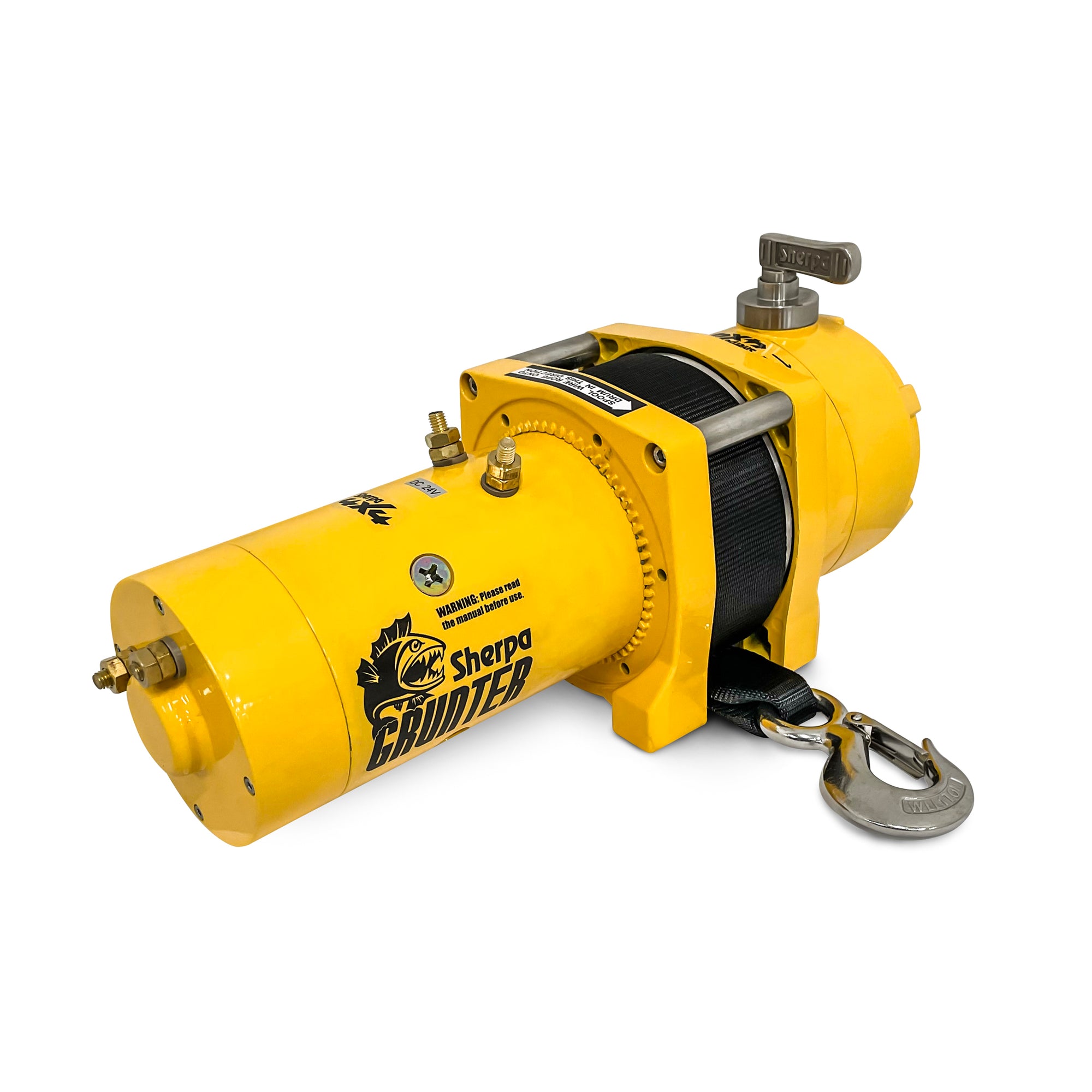
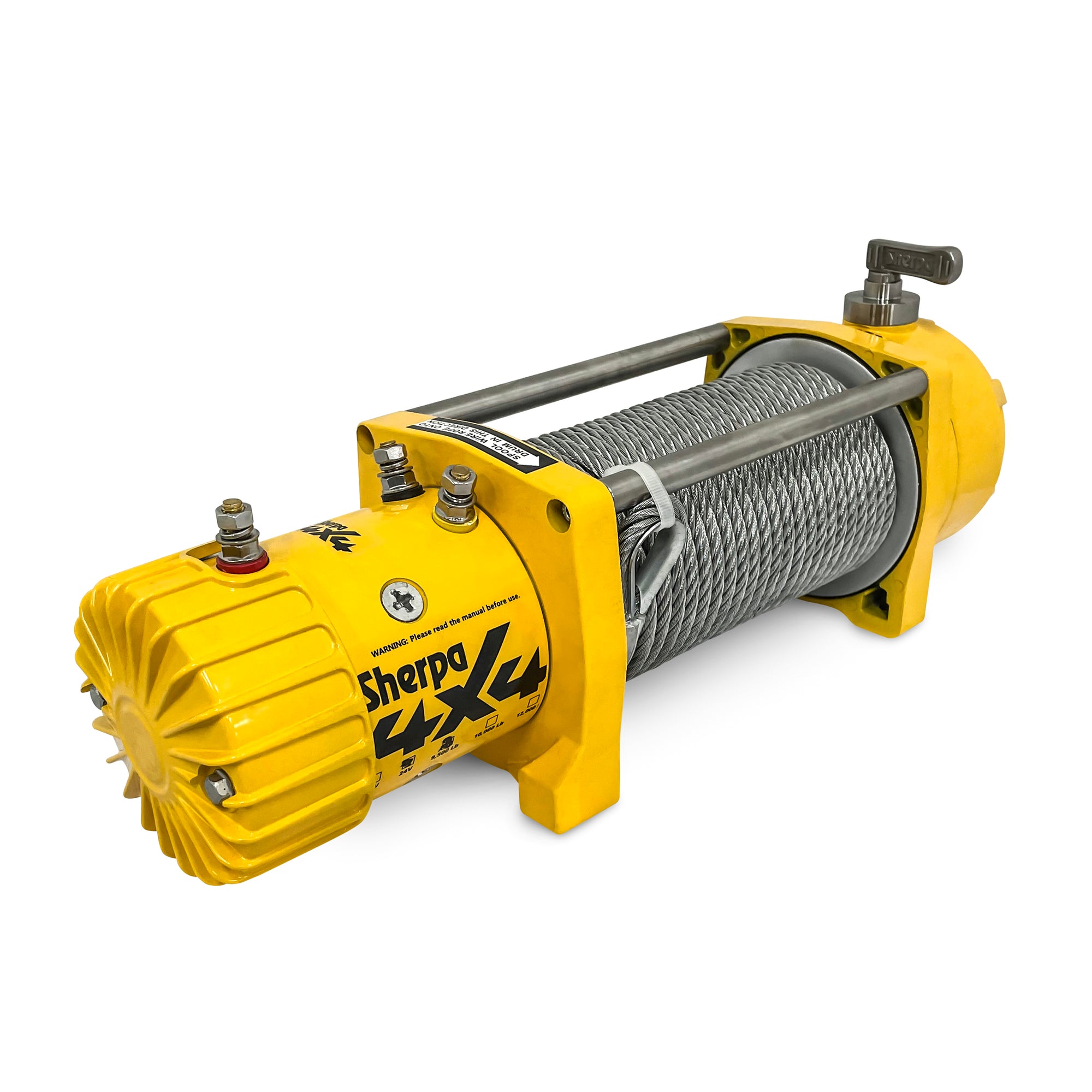
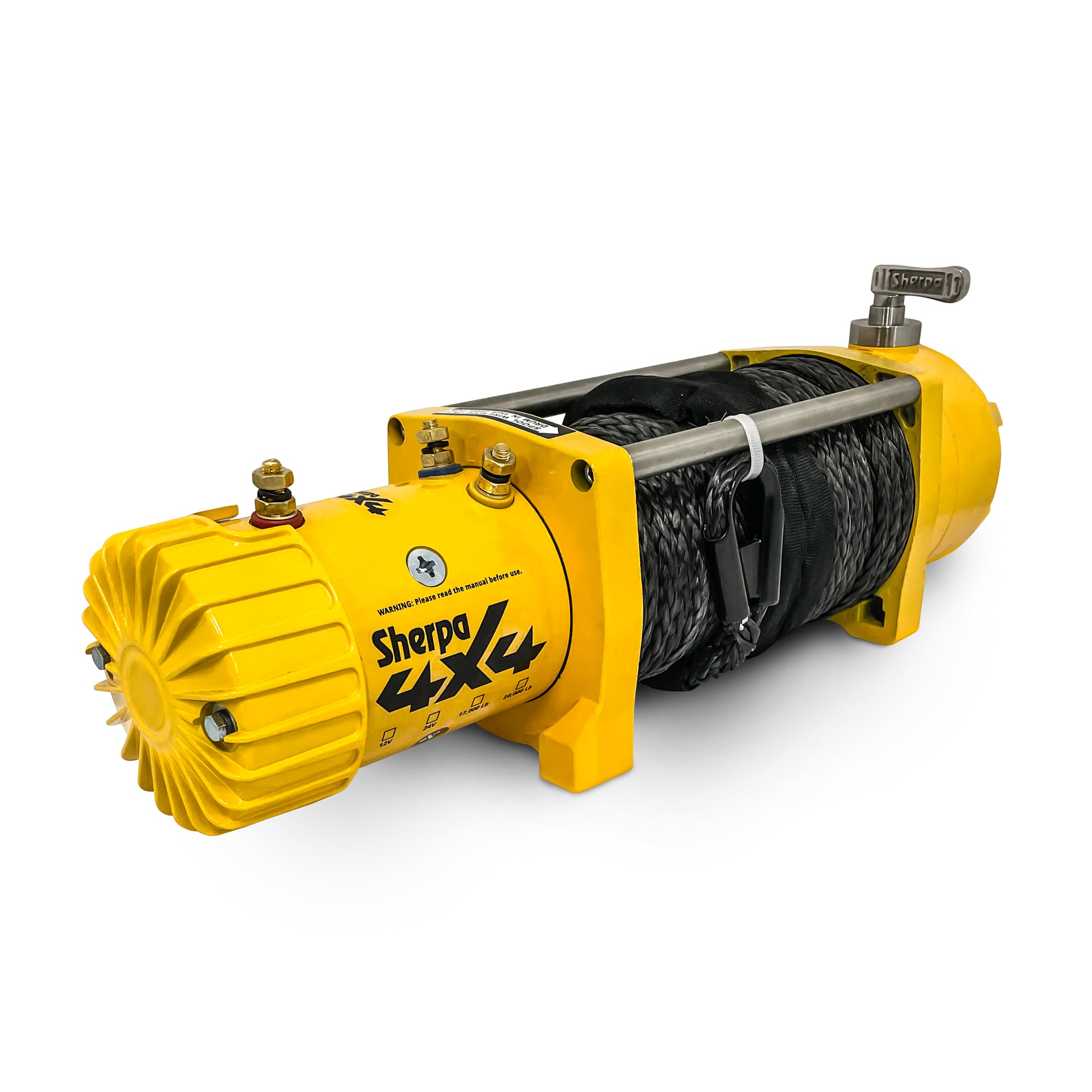
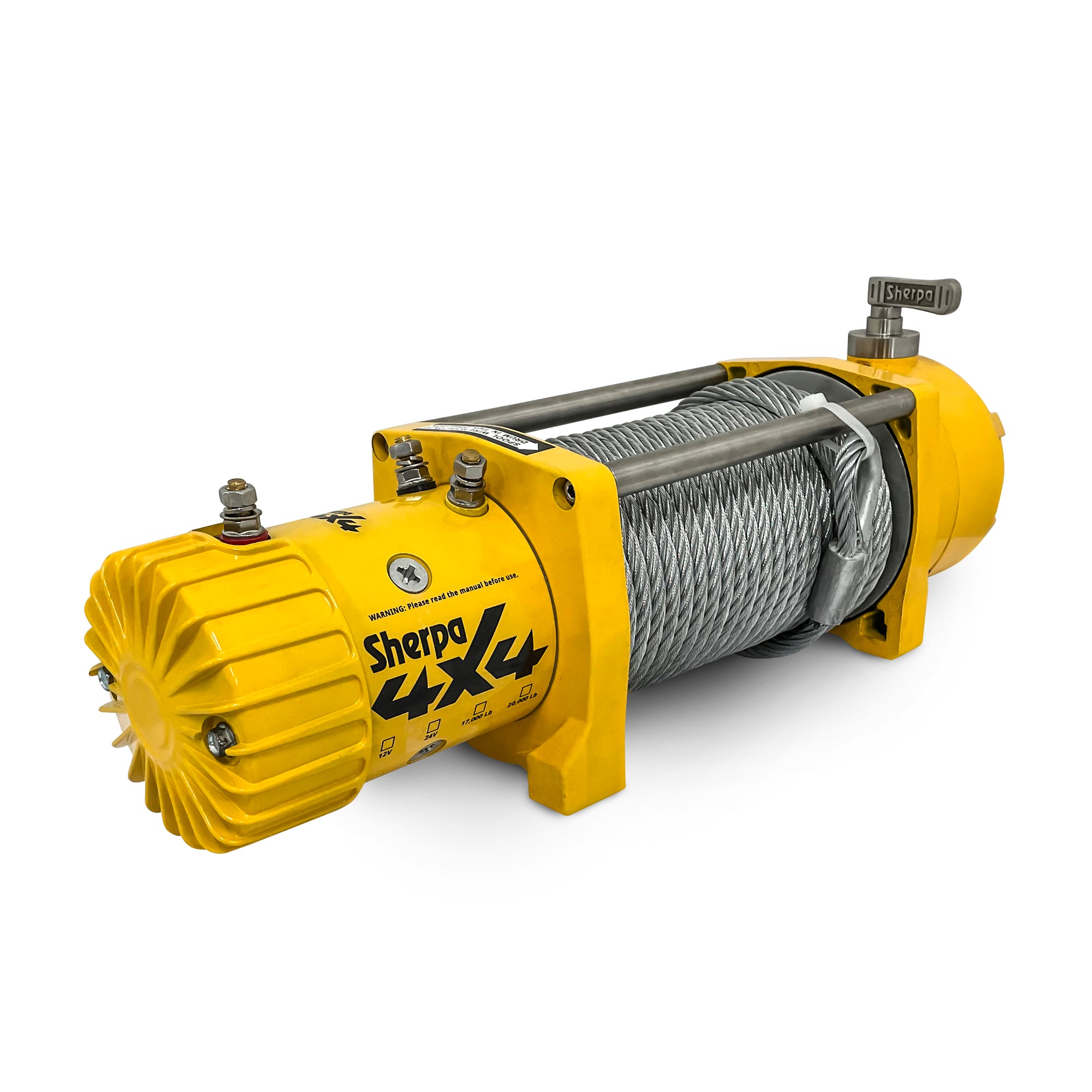
Sherpa 4x4 winches are engineered to deliver uncompromising performance and reliability in the toughest conditions. Our extensive range of 4WD winches covers everything from weekend off-road recoveries to full-blown competition setups and heavy-duty truck applications.
One of our most popular models, the 17,000lb winch, has become a favourite with Grey Nomads towing caravans across Australia. When you’re exploring the country’s most remote regions, you need the peace of mind that only a Sherpa winch can provide.
With unmatched pulling power, premium components and proven durability, Sherpa 4x4 winches give you the confidence to tackle any recovery situation – anywhere, anytime.
View Our Latest Product Promotion Video
SEE WHAT OUR CUSTOMERS HAVE TO SAY!
I purchased the Sherpa Winch to put on my tri-axle boat trailer. I have a 26 ft boat that weighs about 8000 lbs. The trailer has a combination of rollers and bunks. Loading the boat in the spring when there is lots of water on Lake Ontario is easy. In the fall when the water drops and you can't get your trailer deep enough it is a real challenge for a winch. I burnt out my last winch even when I applied lubricant to the bunk carpets. I did run heavy electrical cables from the battery to the back of the truck and used a pair of heavy cables from the truck to the winch to be sure I had lots of power. When I hooked up the boat the winch did not even hesitate. The last 4 feet when the boat is no longer floating is the real test. The winch never even groaned. It has enough power I could have pulled the boat up the trailer dry. I would definitely recommend this winch to any one who needs a great reliable winch for their boat.
Will by again
I’m a lucky guy.
Satisfied and its exactly what I was expecdting .
Sherpa 'Colt' - 12,000Lb Winch
Sherpa Air Compressor (BOX-AIR)
Seems we’ll build haven’t used it yet
The whole interaction with Sherpa Winches was terrific from start to finish! The customer service answered all of my questions before I committed to the purchase. The winch arrived on time and in perfect condition and was a breeze to install.
Won't be installing until April 2026. But all looks like very good quality!! Also Five Star.
BEST ELECTRIC WINCH I HAVE EVER WORKED WITH.
Good
Works good for everything I’ve used it for so far
These guys are pro's....and are great to deal with...plus such high quality products...Thankyou !
I got this winch and it came with all the necessary parts to install it, the winch is very powerful and you can definitely pull a boat onto a trailer with no problems
We did have an issue with the website cancelling our order but customer service was quick to respond and make sure we were able to still get it. It arrived quickly, we tested it right away and it worked easily and perfectly out of the box. Luckily have not actually needed it on the trail just yet, but we have used it a couple of times around the house and are very happy with it so far and have no doubts it will work just the same on the trail. Very impressed with the overall quality and set up.